
Understanding Roll-Off Dumpster Disposal Restrictions
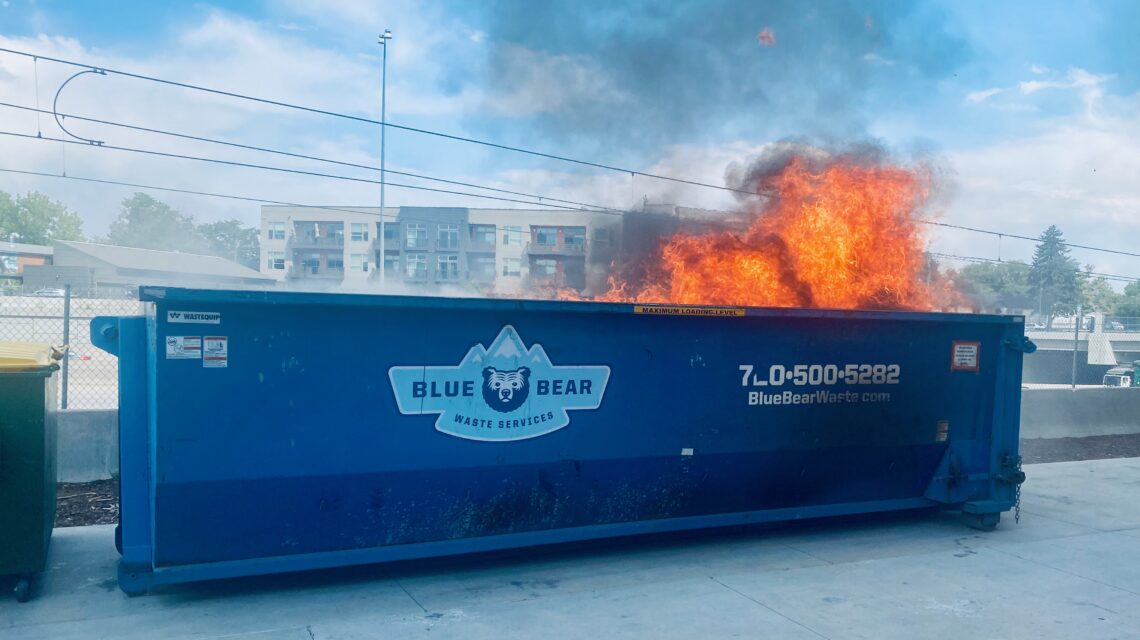
Handling all the materials on a construction or demolition site can be quite challenging. This guide will help you better understand what cannot be disposed of in a roll-off dumpster and why.
Aerosol Cans
These cans are pressurized and contain hazardous chemicals. These cans pose the risk of exploding during transportation or leaking harmful chemicals into the environment.
Animals
Decomposing animals attract pests and spread diseases, posing significant threats to sanitation workers and the public. Decomposing animals can also contaminate nearby soil and water sources.
Anti-freeze
Anti-freeze contains chemicals that can be harmful to people and wildlife. Improper disposal poses risks to those around it and can increase water and soil pollution.
Appliances
Common appliances contain hazardous materials and chemicals (for example, Freon can be found in refrigerators and air conditioners) and require special handling and disposal to prevent environmental contamination. Some appliances, such as water heaters, may contain pressurized gases and can pose safety risks during transportation. Additionally, many appliances contain metals and other materials that can be recycled and reused, rather than thrown away.
Asbestos
Asbestos requires special handling by trained professionals due to its dangerous fibers that can cause severe health issues when inhaled.
Batteries
Batteries contain heavy metals like lead and mercury, which pose significant risks to humans, animals, and the environment. The chemicals within batteries are also likely to cause fires if damaged or disposed of improperly.
Biohazardous / Medical Waste
Biohazardous waste can contain infectious materials. Improper disposal of these materials can expose sanitation workers and wildlife to serious infections and diseases. These materials must be disposed of by trained professionals.
Equipment Containing Gas / Oil / Liquid Solvent / Chemicals / Wet Paint / Propane
These materials are often highly flammable and pose a significant risk to humans and wildlife. Proper disposal is imperative to avoid environmental damage and contamination.
Radioactive Materials
Radioactive materials can emit radiation, which is extremely harmful to humans, animals, and the environment. These materials must be handled by trained professionals to ensure proper disposal.
Railroad Ties
Railroad ties are extremely heavy and meet the weight limits quickly. Not only that, but these railroad ties are treated with a chemical called creosote to preserve the wood. Creosote can be harmful to humans and wildlife and increase water and soil contamination.
Tires
Tires are made of heavy metals and chemicals that do not break down easily, meaning they take up significant space in landfills and pose pollution risks to the environment.
Along with the reasons listed above, there are several local and federal regulations impacting the way these materials can be disposed of. To avoid legal fines and liabilities, ensure you research your local area for rules and regulations regarding the disposal of these materials.
Proper disposal of construction and demolition materials is crucial for safety and environmental protection. At Blue Bear Waste Services, we offer comprehensive waste management solutions tailored to your specific needs. Whether it’s hazardous waste, recyclables, or general debris, our team is here to ensure your site remains safe, compliant, and environmentally responsible.
Contact us today to learn more about our services and how we can help you manage your construction waste disposal needs the Blue Bear way!