
How to Reduce and Manage Construction Waste
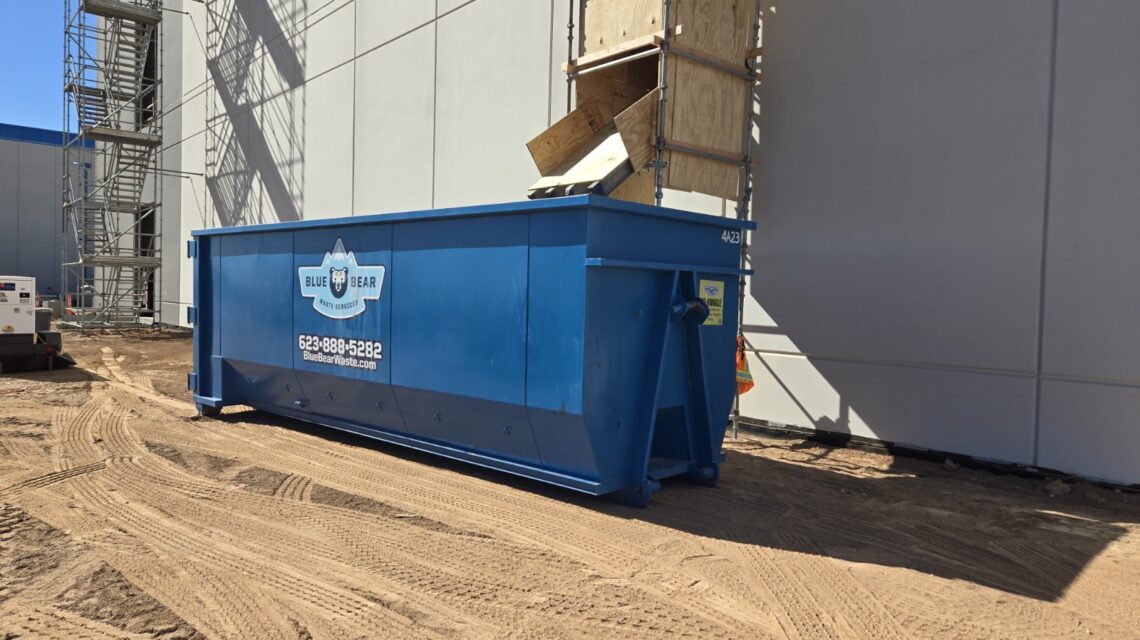
Effective waste management strategies on sites are paramount in ensuring an efficient project and protecting the environment.
Without an effective plan to manage it, construction waste can lead to numerous issues, including pollution, increased greenhouse gas emissions, chemical contamination, and more. Additionally, poor waste management leads to project delays, greater risk for injuries, and the consequences of non-compliance with local regulations.
Use the following tips to learn how to better manage and reduce the waste on your jobsites:
Tips to Reduce and Manage Construction Waste
Managing Construction Waste
Plan Ahead
Develop a waste management plan before the project begins. Estimate the types and amounts of waste you will have, research local regulations and transportation options, and determine which recycling methods are feasible.
Identify a Reliable Waste Removal Company
(Hint: That’s us!)
Managing all that waste is nearly impossible for one team. Finding a reliable waste removal company, like Blue Bear Waste Services, can streamline the process, ensure compliance, and relieve Project Managers from the hassle.
Inform Teams and Partners
Keep everyone informed about the waste management plan throughout the project, ensuring maximum efficiency and allowing room to make necessary adjustments.
Prioritize Organization
Whether it’s demolition or a new building, construction produces a lot of waste. Having designated areas for certain materials allows for managers to keep better track of material amounts. Additionally, it improves the ability to recycle or reuse those materials.
Assessing Project Success
Analyze what went well and what didn’t through employee feedback and various waste metrics, such as Waste Diversion Rate, Landfill Diversion Rate, Recycling Rate, and any other project-relevant metrics. Use the information found to adapt your approach for next time.
Reducing Waste
Deconstruction Over Demolition
Whenever possible, opt for deconstruction instead of demolition. Disassembling building materials individually allows more to be recycled. Whereas demolition makes recovering reusable materials extremely challenging.
Recycle, Recycle, Recycle
A significant portion of construction waste can be recycled or reused. Use designated roll-offs for recyclable materials to ensure they are properly processed for a second life.
Materials that can be recycled include the following and more:
- Asphalt
- Cardboard
- Certain Plastics
- Concrete
- Drywall / Gypsum
- Glass
- Gravel
- Metal
- Paper
- Wood
Reduce Packaging
Try to avoid unnecessary packaging for new materials when available. This can include making bulk purchases to avoid individual packaging, using returnable packing materials, and reusing or donating packing materials.
Reuse and Donate Leftover Materials
Save reusable materials for future projects to reduce the need for new raw materials. Materials and items that cannot be reused can be donated to various organizations to be repurposed. You can learn more about organizations accepting these materials here.
Putting all the pieces together for a smooth and efficient project can be a major headache. That’s why Blue Bear is here to support you. We’re your one-stop shop for all your site services, including disposable and recycling services, roll-offs, portable toilets, fencing, storage containers, and more!
Contact a sales representative today for more information on how to optimize your waste management plan.